Six tutorials per class
Six assignments per class
Personalized critiques
Class discussions2 months, 6 different
tutorials, 6 assignments, critiques by the
instructor and by your fellow students. Packed full of instruction with lots of discussion
about technique, composition, exposure, lenses, gadgets etc., especially as they relate to the
current tutorial.
REGISTRATION
- $180
The registration window is open now through the first two weeks of each
class.
$180 per class. Register online at our
online store or call Carol Leigh at
(800) 49-PHOTO (800-497-4686) to register over the phone.
WANT TO AUDIT THE CLASS? $95
You'll enjoy the benefits of the class, all the instruction, the lessons,
the discussions, the tips, the camaraderie, etc. Everything is yours
except that you won't be receiving
critiques and won't be part of the online gallery. I will, however,
briefly comment on each of your photos. Just $95 to audit the
class.
LIMITED TO 25 PHOTOGRAPHERS
Once you're registered, you'll
receive information on how to access the class, what you'll need, how to
prepare your photos for viewing, etc.
PREREQUISITES
- Access to the Internet.
- If you're a film
shooter, you'll need some way of converting your slides or prints to
JPEGs so that they can be shown online.
- If you're a digital
shooter, you'll need some way of sizing your photos to show them online
as JPEGs.
- Any focal length lens
will work fine. Really. There may be times, however, when you'll want to
move in closer to your subject. A
macro lens is great, but you can easily use extension tubes on whatever
lens you have or else buy a set of close-up diopters that screw onto the
front of your current lens.
- A tripod is necessary, especially for the lessons on "Neon," "Kitchen
Art" and for the macro class. These lessons will involve long shutter
speeds (longer than 1/60 second) and so you'll need some sort of support
for sharpness.
WHAT YOU'LL LEARN
How to see creatively.
How to make a
dramatic, striking photograph from the simplest of things.
How to evaluate lighting as a pro would do.
What
separates a professional-looking photo from a snapshot.
Tips on composition and exposure.
Information about little pieces of equipment that can improve your
photography 100%.
|
Developing Your Creative Edge #3:
MACRO/CLOSE-UP
 Lesson
#1 Lesson
#1
Seeing:
FINDING THE
PHOTO
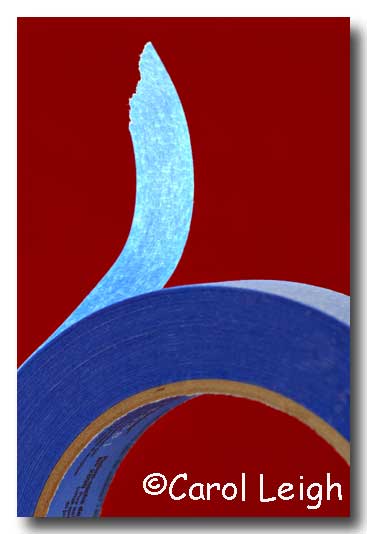
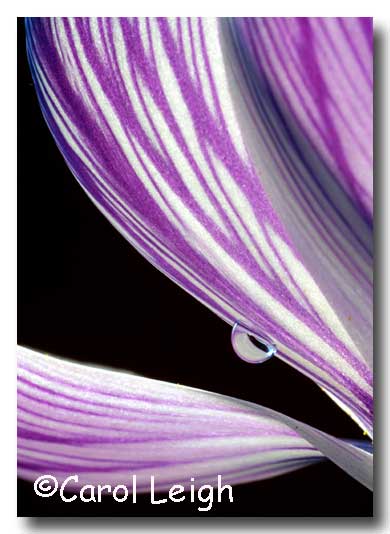
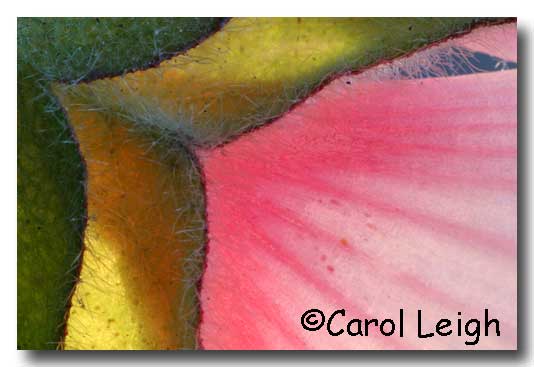
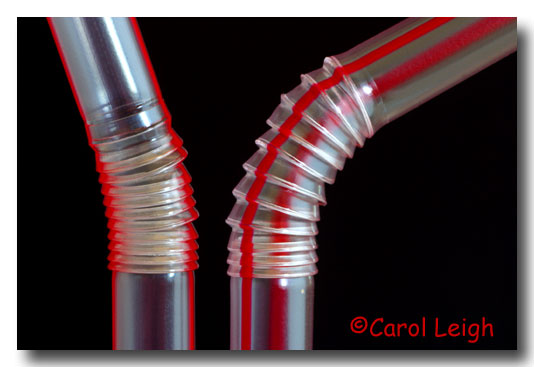
Okay, you've got something in
front of you and you've got a macro lens. How do you figure out what to
put in your frame? What do you leave out? It's all about seeing, and we'll
help you jump right in to create something dramatic out of what initially
appeared to be nothing.
 Lesson
#2 Lesson
#2
Depth of Field:
SHARP AND
SCIENTIFIC OR SOFT AND ARTSY?
How to understand depth of field
and lens apertures without resorting to a slide rule, abacus, or
calculator. This is a good lesson for the less technical among us.
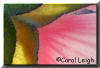 Lesson #3 Lesson #3
"I'm ready for my close-up . . ."
LIGHTING YOUR
SUBJECT
None of the macro photographs
I've taken involved using a flash. They're all done with natural light,
overhead fluorescent light, sidelighting with tungsten bulbs, or with
maybe a candle or a flashlight. We won't be using flash in this class at
all. Here's where you learn to use the light you've got available to
create stunning photographs.
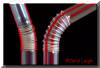 Lesson #4 Lesson #4
Hey, you in the back . . .
THE IMPORTANCE OF
BACKGROUNDS
What you place behind your
subject makes all the difference in the world. Here we learn what works,
what doesn't, and some little tricks to make your photos even more
interesting.
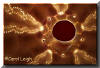 Lesson #5 Lesson #5
Move it a little to the left . . .
ANGLE OF VIEW
You've created a little
masterpiece there in the viewfinder. Are you done now? Nope. Now's the
time to take that photo one step further . . .
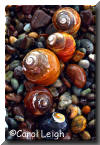 Lesson #6 Lesson #6
Watch your mailbox . . .
MYSTERY PHOTO
Midway through the class I'm
going to send each of you a "surprise package" in the mail, something for
you to photograph in your own unique way. It won't be so small that you
need mega-macro equipment to fill your frame with it, and it'll be
flexible enough so that there will be a number of different shots you can
take of it. This photo will incorporate everything you've learned in the
class. Details to follow!
|