|
Six tutorials per class
Six assignments per class
Personalized critiques
Class discussions
2 months, 6 different tutorials, 6 assignments, critiques by the
instructor and by your fellow students. Packed full of instruction with lots of discussion
about technique, composition, exposure, lenses, gadgets etc., especially as they relate to the
current tutorial.
REGISTRATION - $180
The registration window is open now through the first two weeks of each
class.
$180 per class. Register online at our
online store or call Carol Leigh at
(800) 49-PHOTO (800-497-4686) to register over the phone.
WANT TO AUDIT THE CLASS? $85
You'll enjoy the benefits of the class, all the instruction, the lessons,
the discussions, the tips, the camaraderie, etc. Everything is yours
except you won't be posting your photos and you won't be receiving
critiques. Just $85 to audit the
class.
LIMITED TO 25 PHOTOGRAPHERS
Once you're registered, you'll
receive information on how to access the class, what you'll need, how to
prepare your photos for viewing, etc.
PREREQUISITES
- Access to the Internet.
- If you're a film
shooter, you'll need some way of converting your slides or prints to
JPEGs so that they can be shown online.
- If you're a digital
shooter, you'll need some way of sizing your photos to show them online
as JPEGs.
- Any focal length lens
will work fine. Really. There may be times, however, when you'll want to
move in closer to your subject. A
macro lens is great, but you can easily use extension tubes on whatever
lens you have or else buy a set of close-up diopters that screw onto the
front of your current lens.
- A tripod is necessary, especially for the lessons on "Neon," "Kitchen
Art" and for the macro class. These lessons will involve long shutter
speeds (longer than 1/60 second) and so you'll need some sort of support
for sharpness.
WHAT YOU'LL LEARN
How to see creatively.
How to make a
dramatic, striking photograph from the simplest of things.
How to evaluate lighting as a pro would do.
What
separates a professional-looking photo from a snapshot.
Tips on composition and exposure.
Information about little pieces of equipment that can improve your
photography 100%.
|
Developing Your Creative Edge #1
 Lesson
#1 Lesson
#1
Visual Vibrations:
WORKING
WITH COMPLEMENTARY COLORS
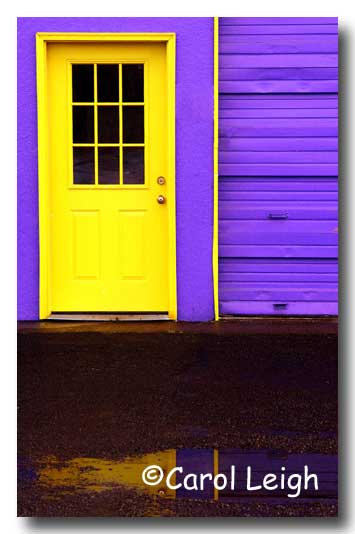
Complementary colors are two
colors, opposite one another on a color wheel which, when placed
next to one another, make the other color look more intense and vivid.
The effect can be quite dramatic and exciting. In this lesson we'll
explore complementary colors and learn to create images that sing.
 Lesson
#2 Lesson
#2
Blind them With Brilliance:
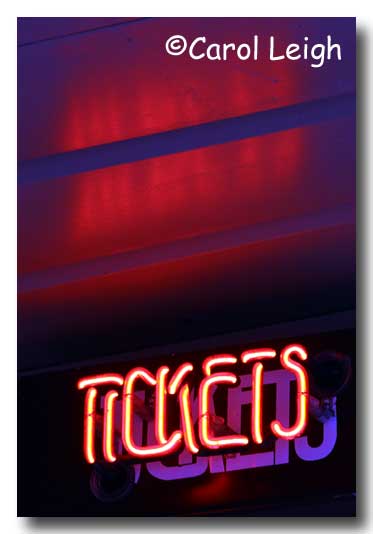
PHOTOGRAPHING NEON
This is no place for subtlety!
Neon provides you with swoop and swirl, outrageous color, interesting
surprises, and an excuse to be out shooting at twilight or night —
something you may not have considered doing in the past. Learn how
to shoot neon with impunity.
 Lesson #3 Lesson #3
If You Can't Stand the Heat:
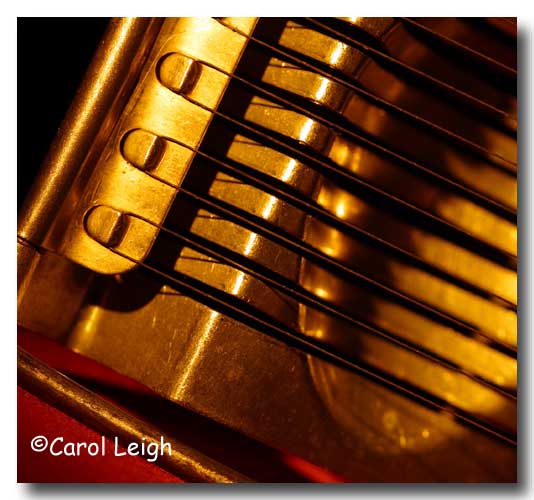
KITCHEN ART
This is perfect subject matter
for rainy days or when you just can't find anything else to shoot. With
just a bit of creativity, you can take something mundane and turn it into
something bold and mysterious. Lots of instruction about lighting,
close-up techniques, equipment, and form.
 Lesson #4 Lesson #4
Step by Step:
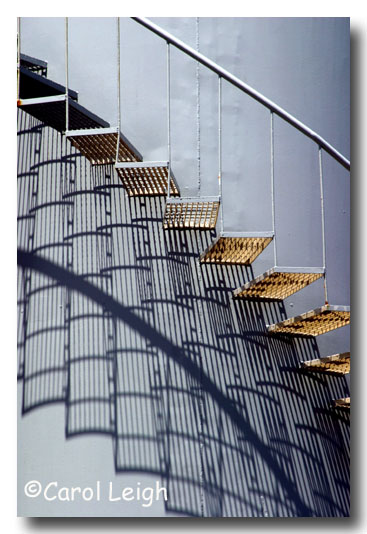
PHOTOGRAPHING
STAIRS, STEPS, LADDERS, PATHWAYS
Here we'll explore the
principles of composition, form, light and shadow to create interesting
and often abstract images of our urban and suburban environments.
 Lesson #5 Lesson #5
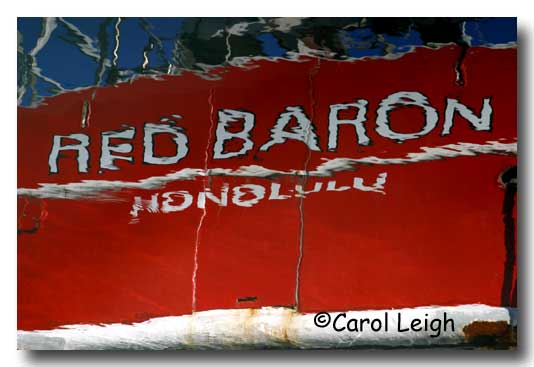
Seeing Double:
CAPTURING
REFLECTIONS WITH YOUR CAMERA
Exposure and composition come
into play big-time when photographing reflections. The emphasis here, as
in all of our lessons, is first in seeing and then in executing the
concept to the best of our ability.
 Lesson #6 Lesson #6
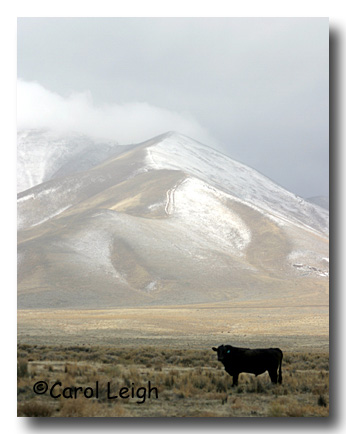
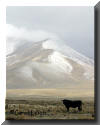
The Vast
Wasteland:
CREATING A FEELING OF
EMPTINESS AND LONELINESS IN YOUR COMPOSITIONS
Landscape photography is the
focus in this lesson, with instruction about composition, placement,
subject matter, and more to create images that evoke a sense of dignity
and presence in a huge and often harsh environment.
|